

SPEAKERS & PANELS
2026 KEYNOTE SPEAKER PREVIEW
-

Ernest J Moniz
MIT / US DEPARTMENT OF ENERGY
Professor of Physics / Former US Secretary of Energy
-
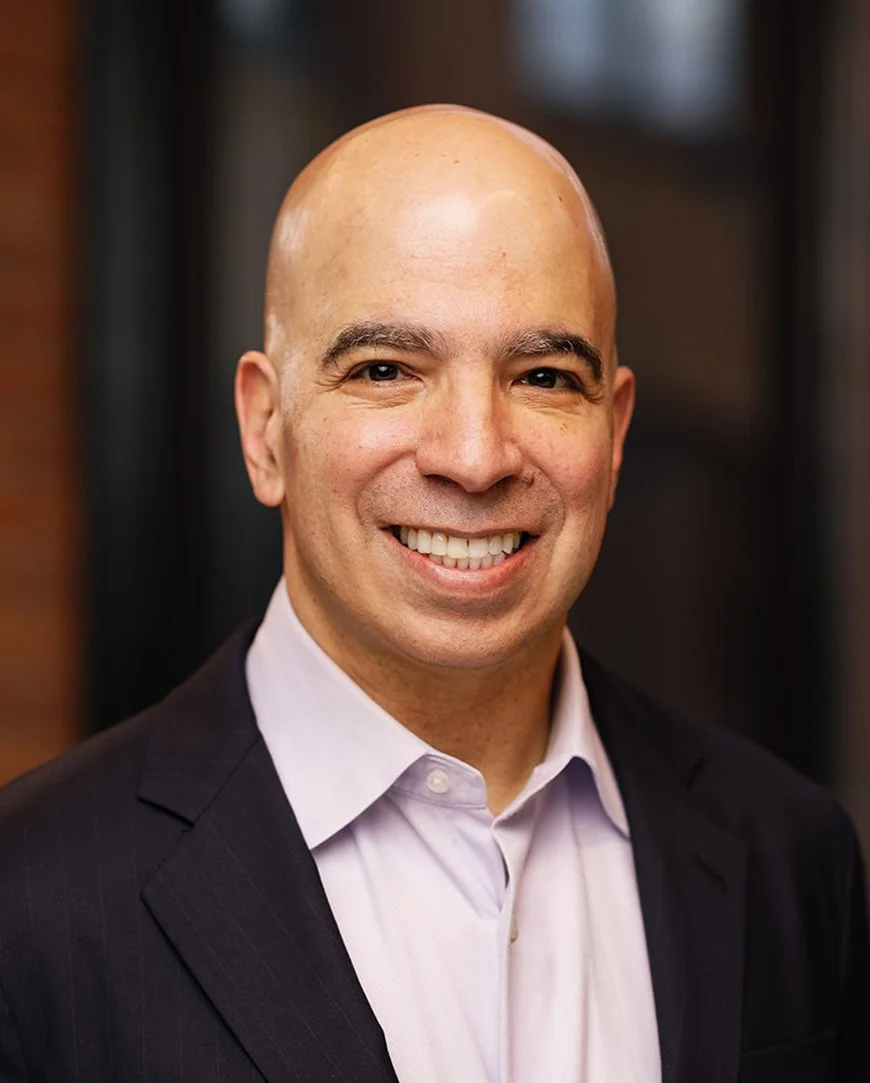
Roger Martella
GE VERNOVA
Chief Corporate Officer and Chief Sustainability Officer
-

Justin Worland
TIME
Senior Correspondent
-

Eric Toone
BREAKTHROUGH ENERGY VENTURES
Chief Technology Officer and Managing Partner
-
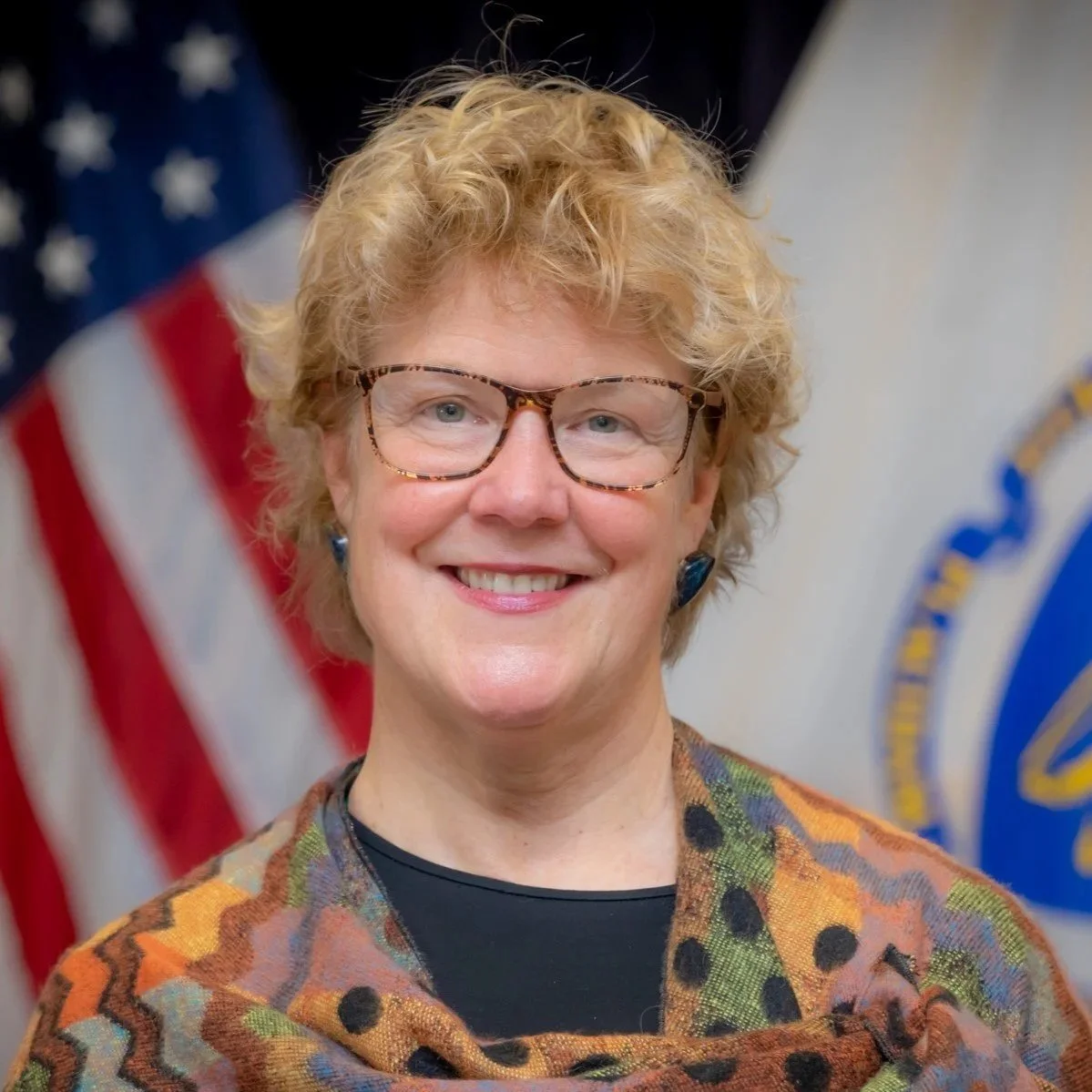
Melissa Hoffer
COMMONWEALTH OF MASSACHUSETTS
Climate Chief
-
Benjamin Downing
THE ENGINE
Chief Growth Officer
2026 PANEL PREVIEW
Subject to change as details are confirmed.
THE RELIABILITY EQUATION
Balance in Today’s Energy Mix
Monday, February 23rd @ 11:15AM
Ahead of the clean energy transition, there is a need to develop plans and standards to ensure a smooth and efficient execution. To minimize transitional disruptions to the existing electric grid, one must first understand the existing contributors and the balance currently struck between affordability, sustainability and reliability.
Panelists
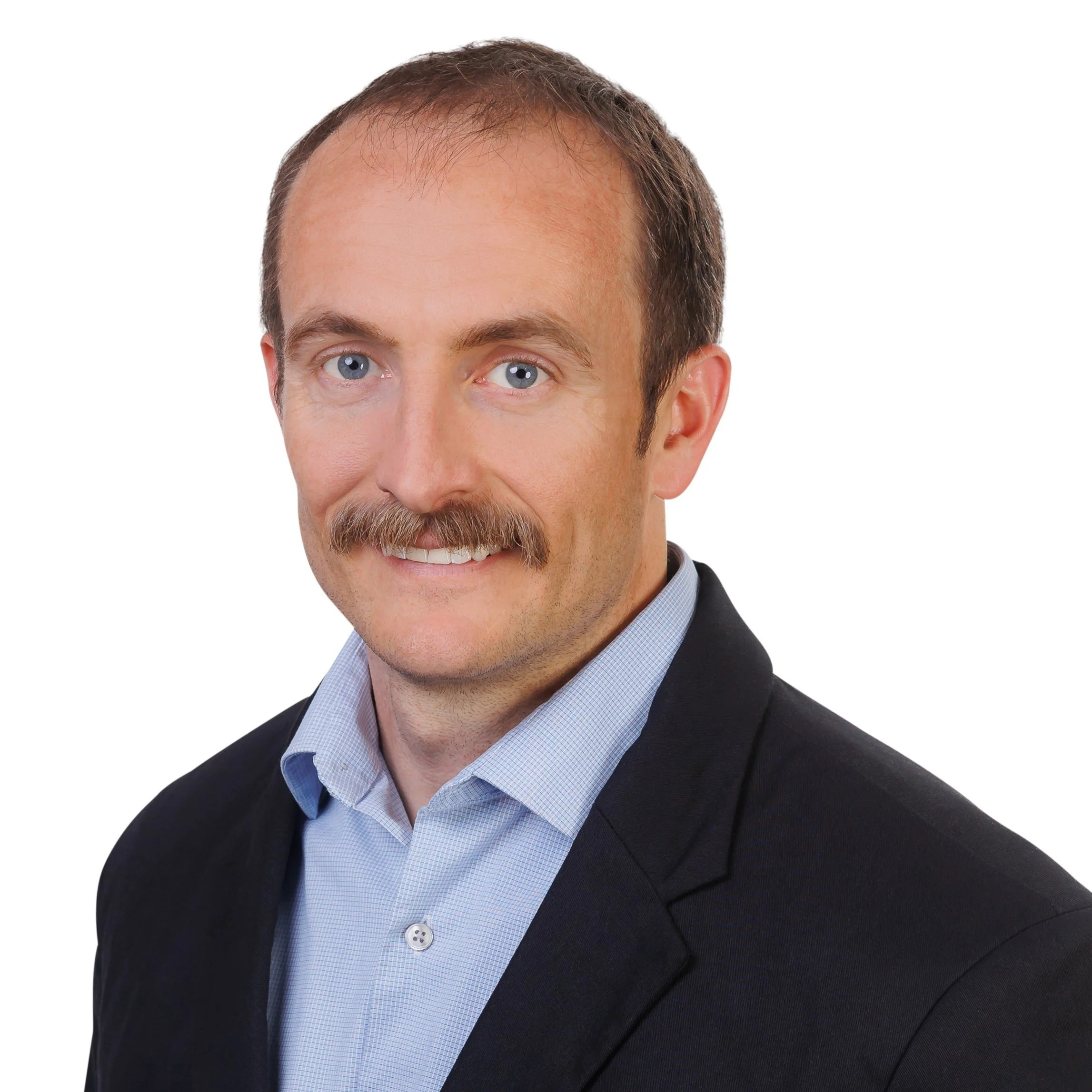
Nicholas Fry
Thermal Energy Networks Market Lead - North America, Jacobs

Tricia Keegan
CTO,
Vicinity Energy

John Larsen
Partner,
Rhodium Group
Moderator
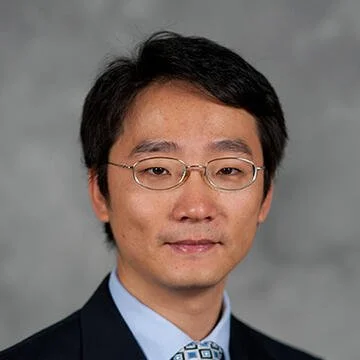
Andy Sun
Iberdrola-Avangrid Professor in Electric Power Systems, MIT Sloan
DECARBONIZING HEAVY INDUSTRIES
A Hard-to-Abate Challenge
Monday, February 23rd @ 11:15AM
Despite being responsible for an enormous share of global emissions, heavy industry rarely takes center stage in climate conversations. This panel shines a spotlight on the toughest decarbonization challenges, from high-temperature heat to carbon-intensive materials, and the emerging solutions that could reshape the industrial economy.
Panelists
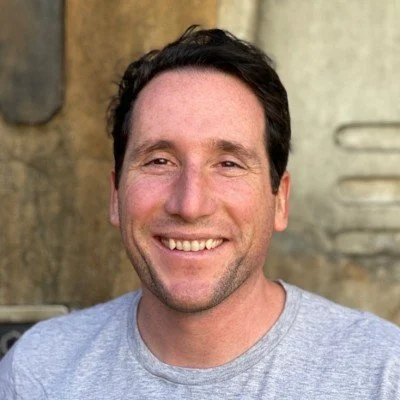
Joe Hicken
SVP - Business Development & Policy, Sublime Systems

Petrus Christiaan Pistorius
POSCO Professor of Materials Science and Engineering, Carnegie Mellon University
Moderator
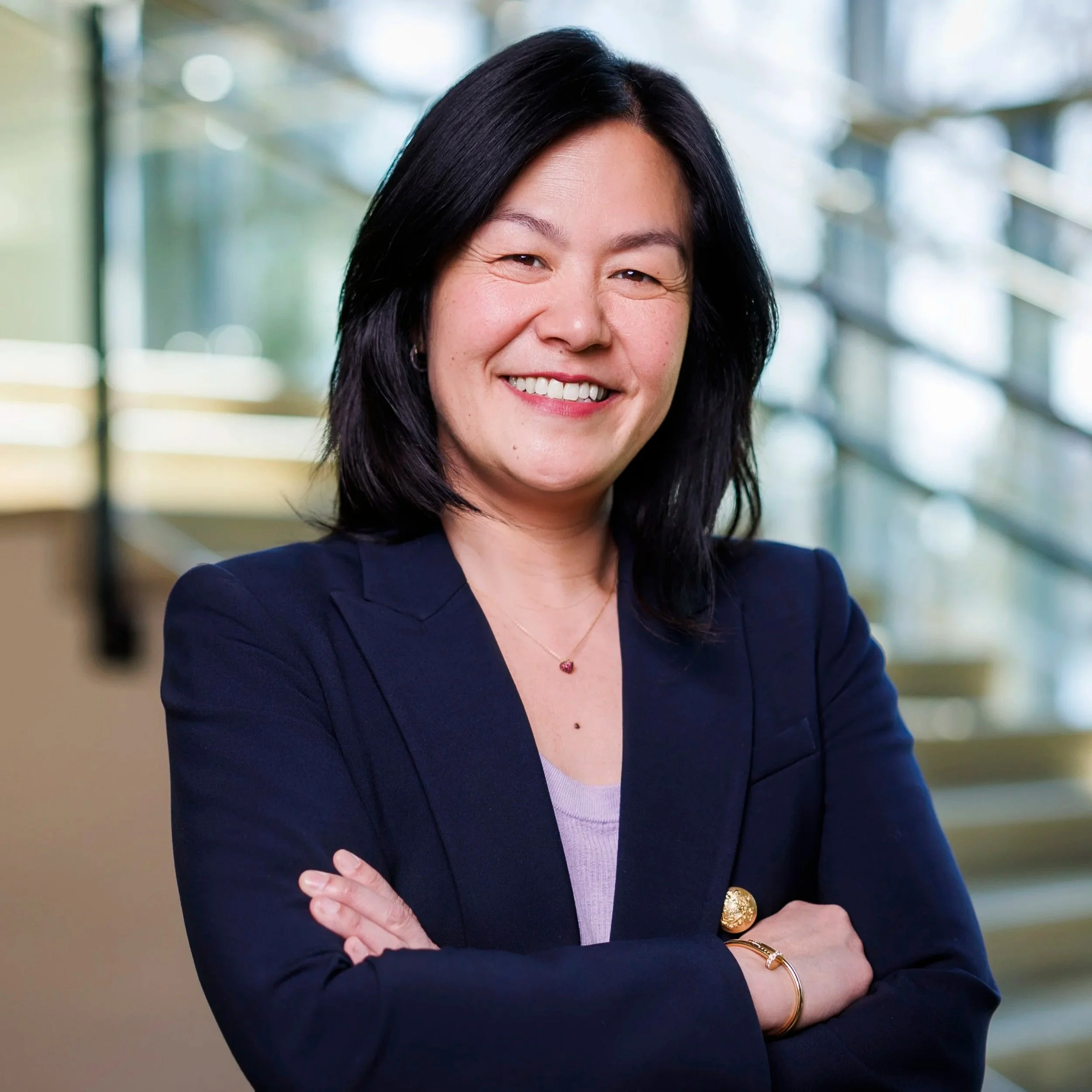
Evelyn N. Wang
Vice President for Energy and Climate, MIT
GRID FLEXIBILITY
Managing Rising and Variable Load & Demand
Monday, February 23rd @ 1:15PM
Electric power grids are currently facing all-time highs in demand as the changing climate hits residential consumers hard, and growing populations coupled with increasing deployment of digital technologies drive energy use upwards. Concurrently, as renewable penetration increases to meet clean energy goals, the intermittent nature of its generation can lead to grid instability. With energy use strongly tied to socioeconomic development, how do we ensure that the electric grid is capable of meeting rising demands while maintaining current standards for reliability?
Panelists

Graham Dudgeon
Senior Principal Product Manager for Electrical Technology, Mathworks
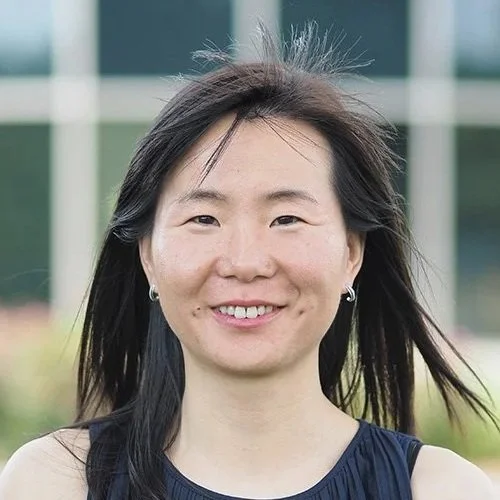
Jinye Zhao
Technical Manager,
ISO New England

Paul Hines
Chief Scientist and VP - Power Systems, EnergyHub
Moderator
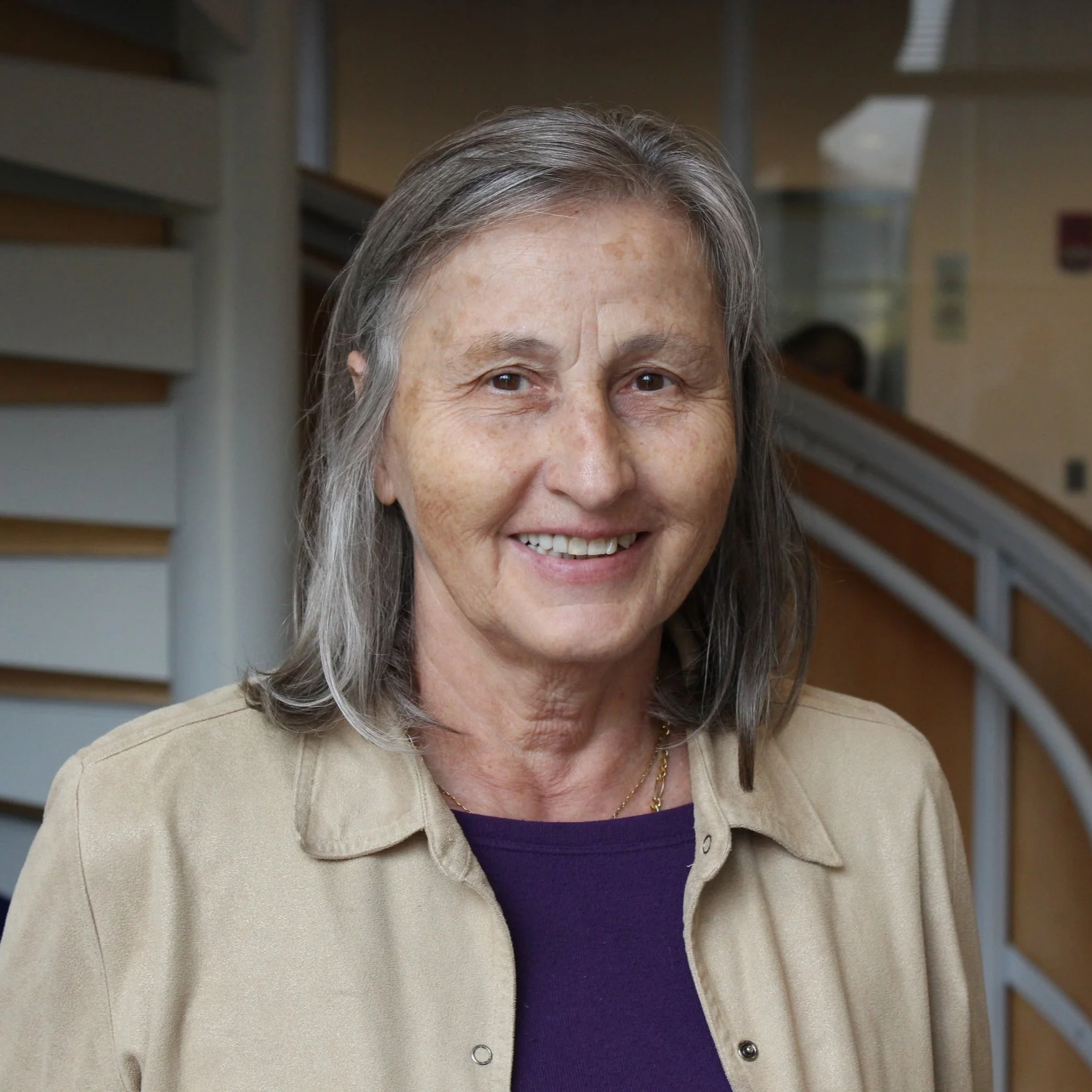
Marija Ilic
Adjunct Professor EECS and Senior Research Scientist - LIDS/IDSS, MIT
FINANCING FAIR TRANSITIONS
Global Collaboration for an Equitable Energy Future
Monday, February 23rd @ 1:15PM
Emerging markets will define the pace of global decarbonization, yet gaps in capital, infrastructure, and policy alignment threaten to leave those most vulnerable behind. By reimaging risk-sharing mechanisms and cross-border partnerships, countries can unlock investment that advances both climate and development goals. Panelists will discuss how global institutions and industry can collaborate to build reliable, affordable, and low-carbon energy systems that drive shared prosperity.
Panelists
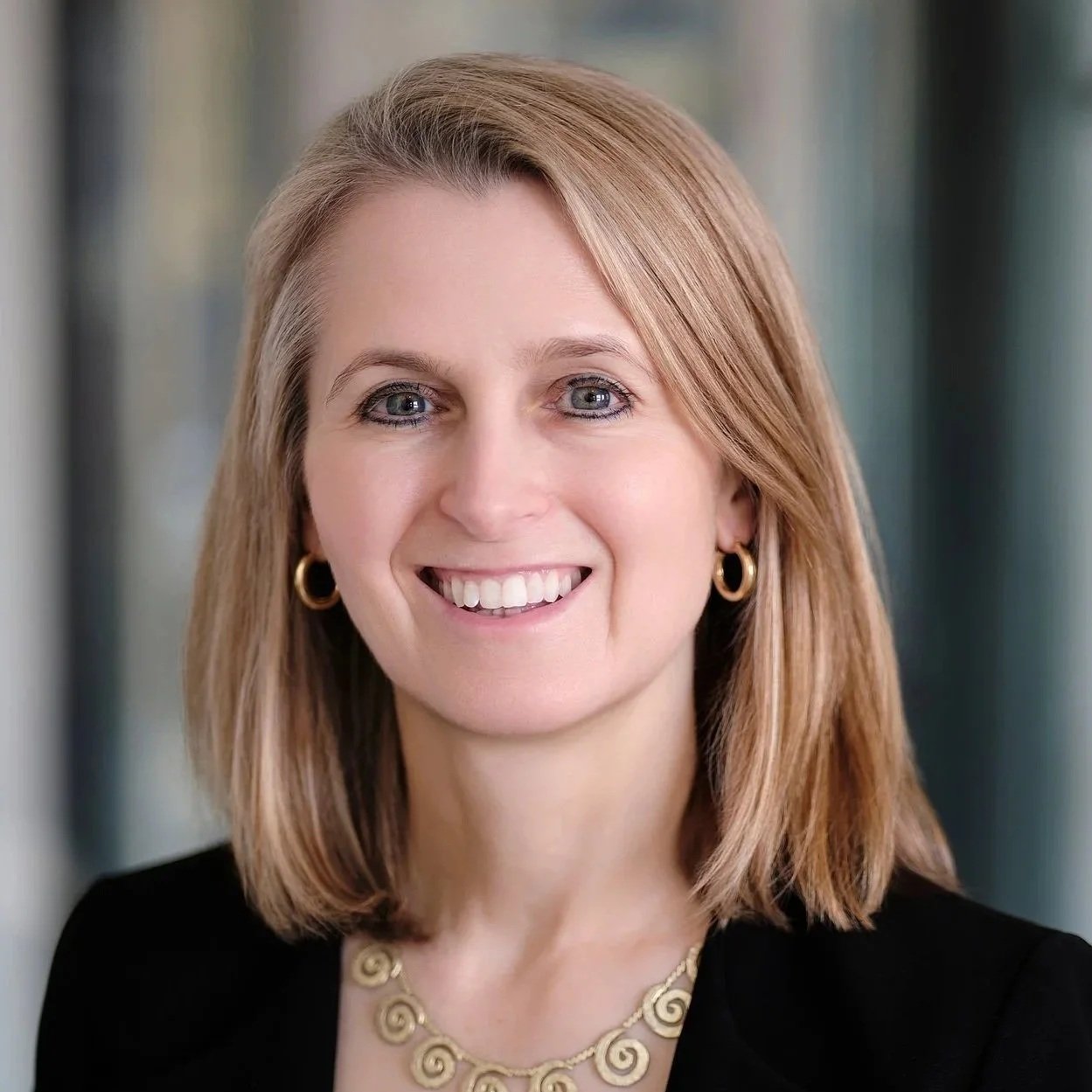
Catherine Wolfram
William Barton Rogers Professor of Energy Economics, MIT Sloan
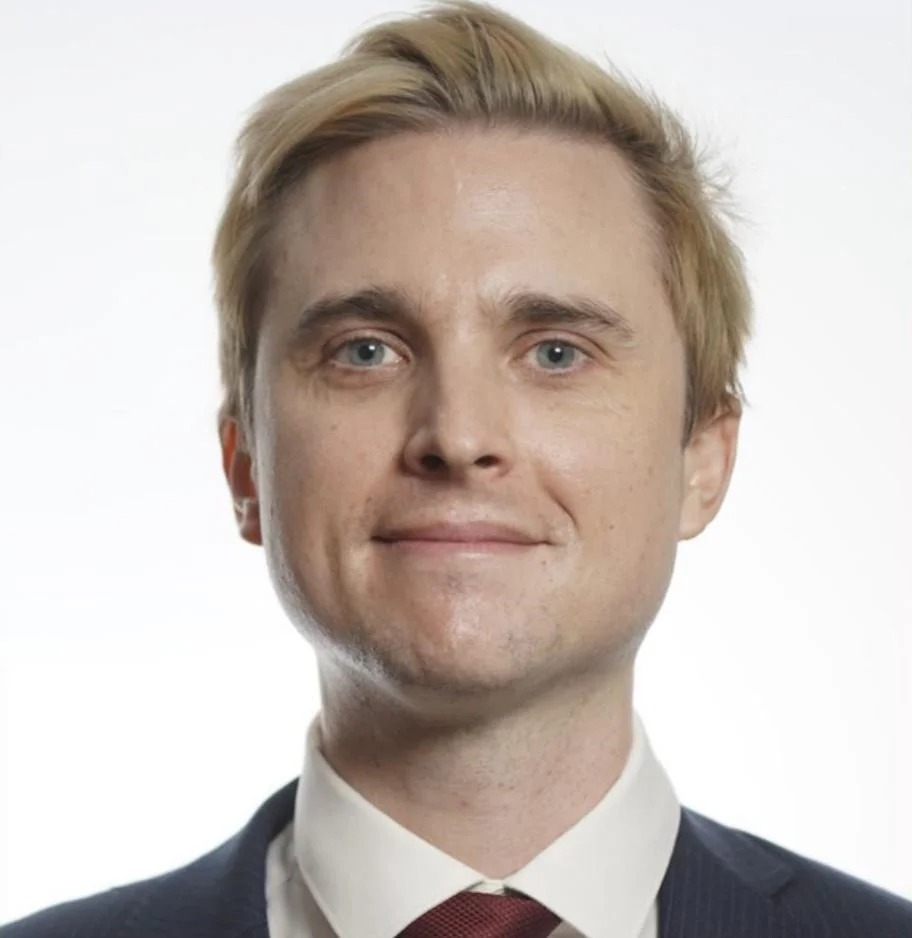
Simon Black
Senior Economist, International Monetary Fund
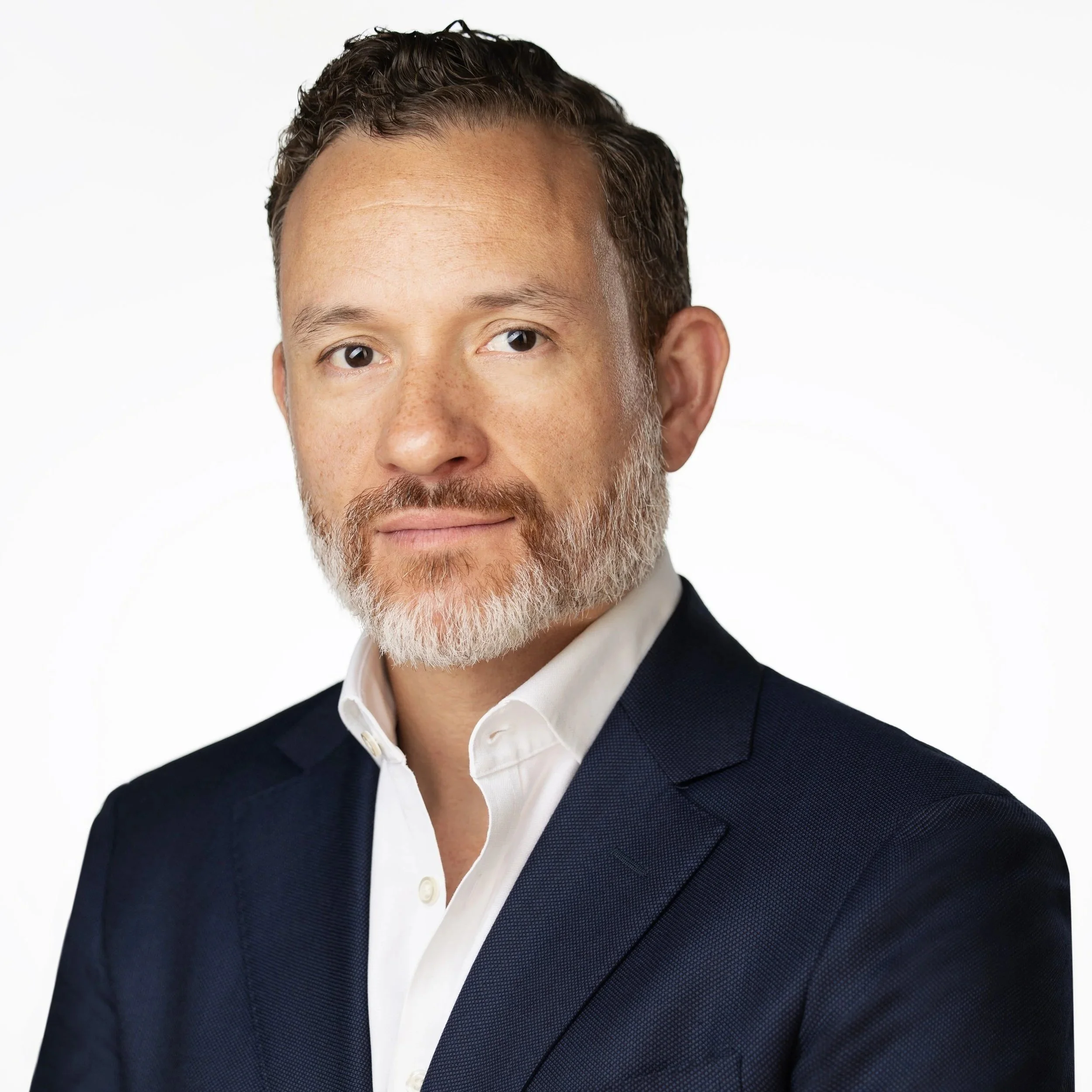
Enrique Ruiz Zepeda
Senior Investment Officer, International Finance Corporation
Moderator
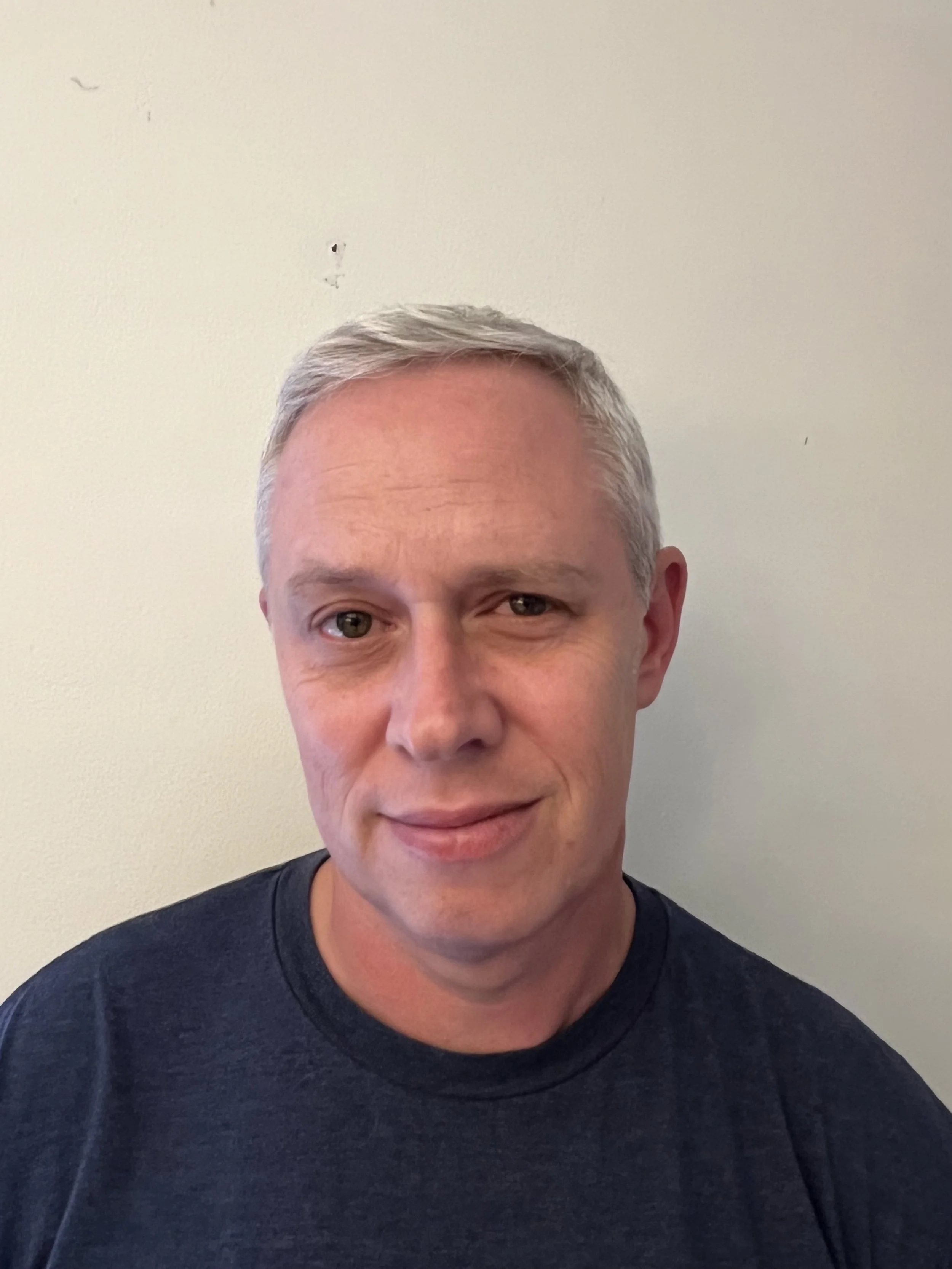
Jason Margolis
Climate Science and Transportation Editor, Boston Globe
THE FLEXIBLE FRONTIER
Rethinking Data Center Load
Monday, February 23rd @ 2:15PM
As data centers rapidly become one of the largest and most dynamic sources of electricity demand, flexibility is emerging as a critical lever for grid resilience. This panel explores the challenges of interconnecting large loads, the system-level benefits of flexible operation, and the technologies enabling new forms of flexibility - from compute orchestration and AI-driven demand management to on-site storage and power generation.
Panelists
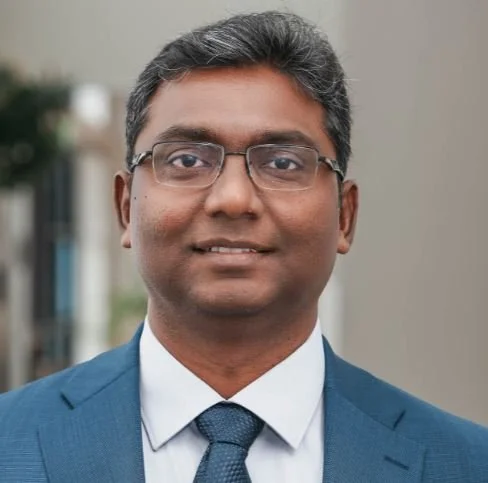
Venkat Tirupati
Vice President & Chief Technology Officer, ERCOT

Ayse Coskun
Chief Scientist / Professor, Emerald AI / Boston University
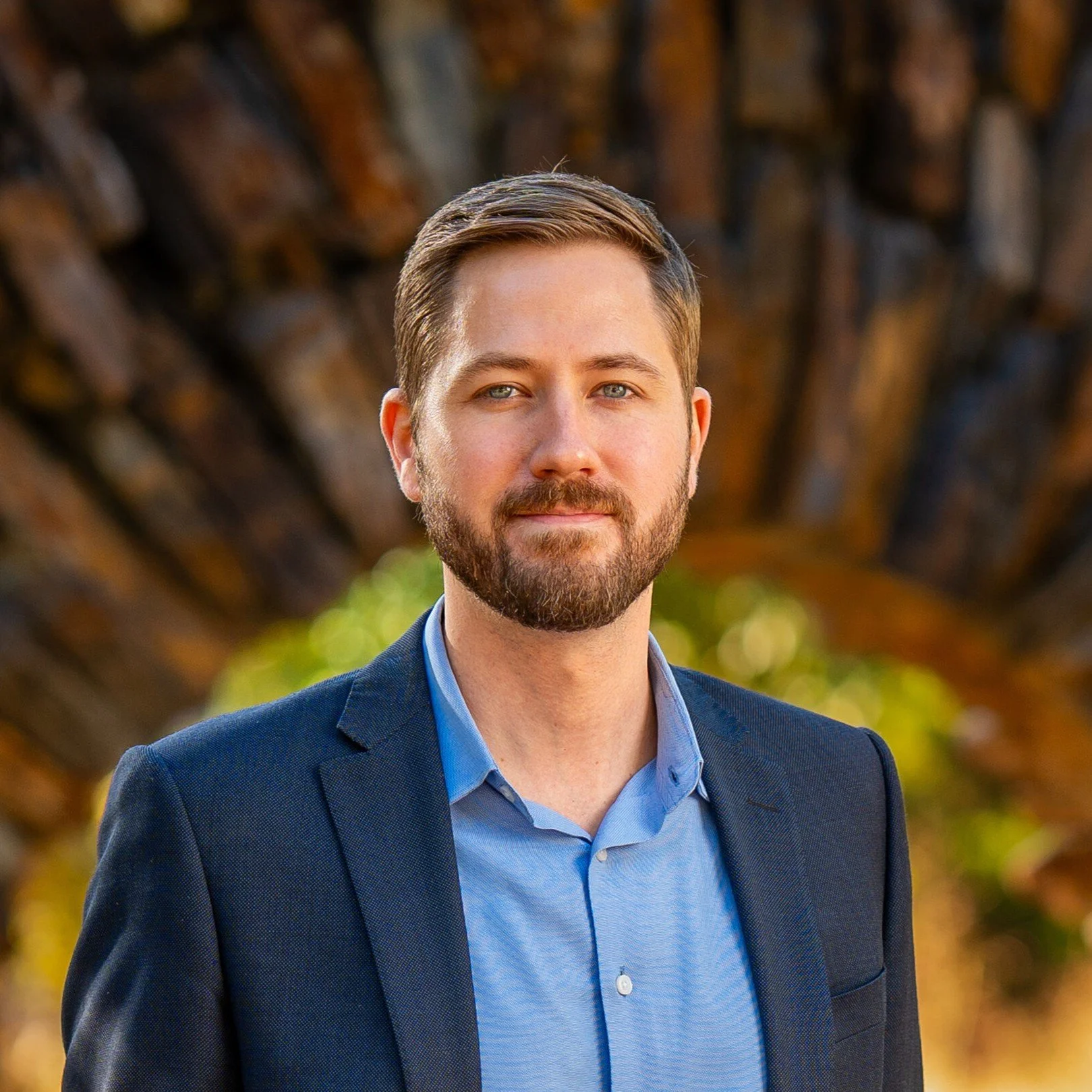
Tyler Norris
Head of Market Innovation - Advanced Energy, Google
Moderator
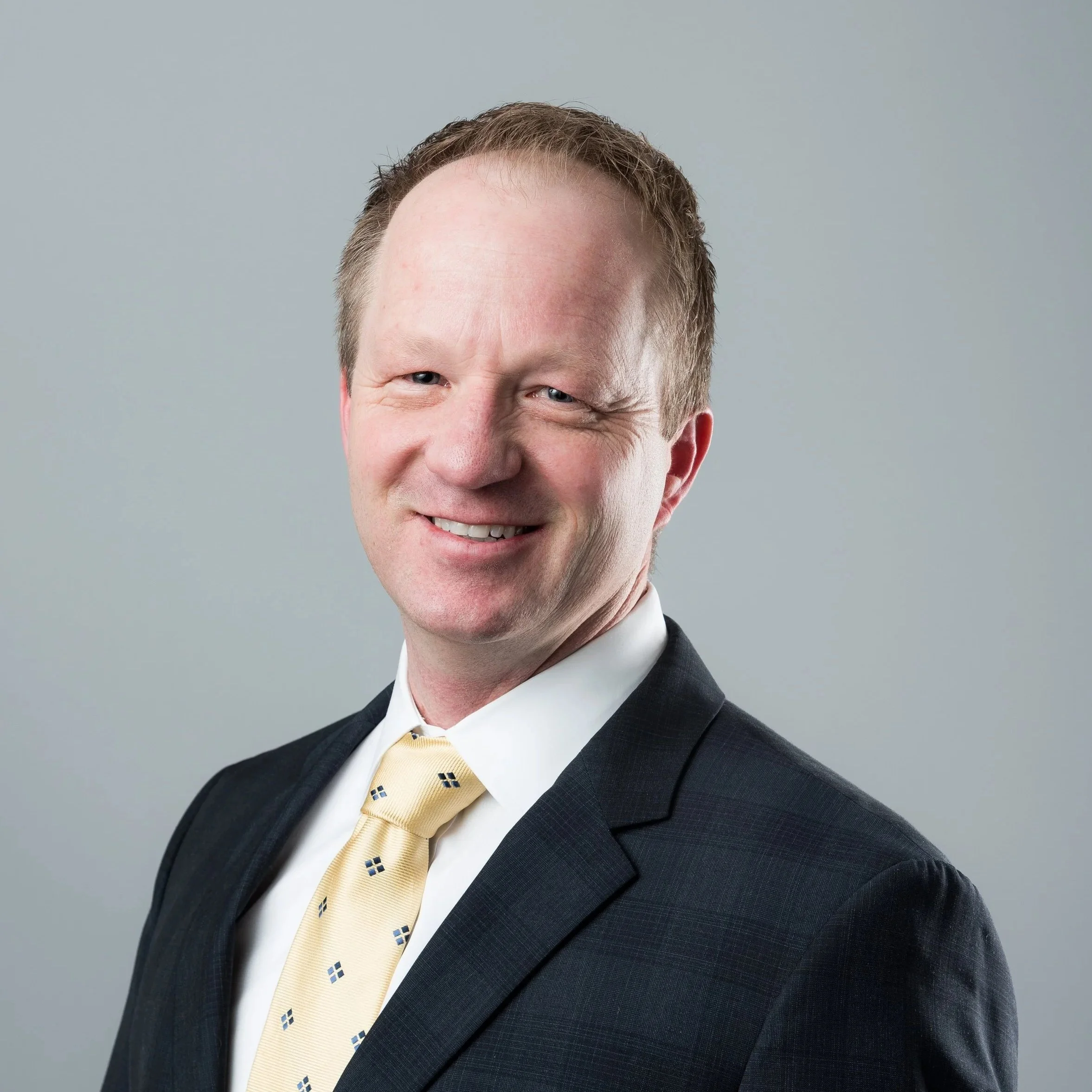
Christopher Knittel
Associate Dean for Climate and Sustainability, Professor of Applied Economics, MIT Sloan
SECURING THE ENERGY FUTURE
Capital for Resilience
Monday, February 23rd @ 2:15PM
This panel explores how global capital can be mobilized to drive the energy transition while ensuring that the shift toward renewables enhances rather than undermines the resilience of our energy systems. Achieving a resilient and equitable energy transition requires major investment across proven and emerging technologies. This panel brings together leaders from finance, energy, and government to examine how diverse forms of capital can scale infrastructure, strengthen the future grid, and secure long-term resilience.
Panelists


Thomas-Olivier Léautier
Chief Economist,
TotalEnergies
James Stock
Vice Provost for Climate and Sustainability, Harvard University

Santosh Raikar
Managing Partner and Head of Renewables, Silverpeak
Moderator

Nathalie Beken
Principal,
Azimuth Capital
REBUILDING SUPPLY CHAIN RESILIENCE
Critical Minerals and the Reshoring Imperative
Monday, February 23rd @ 3:15PM
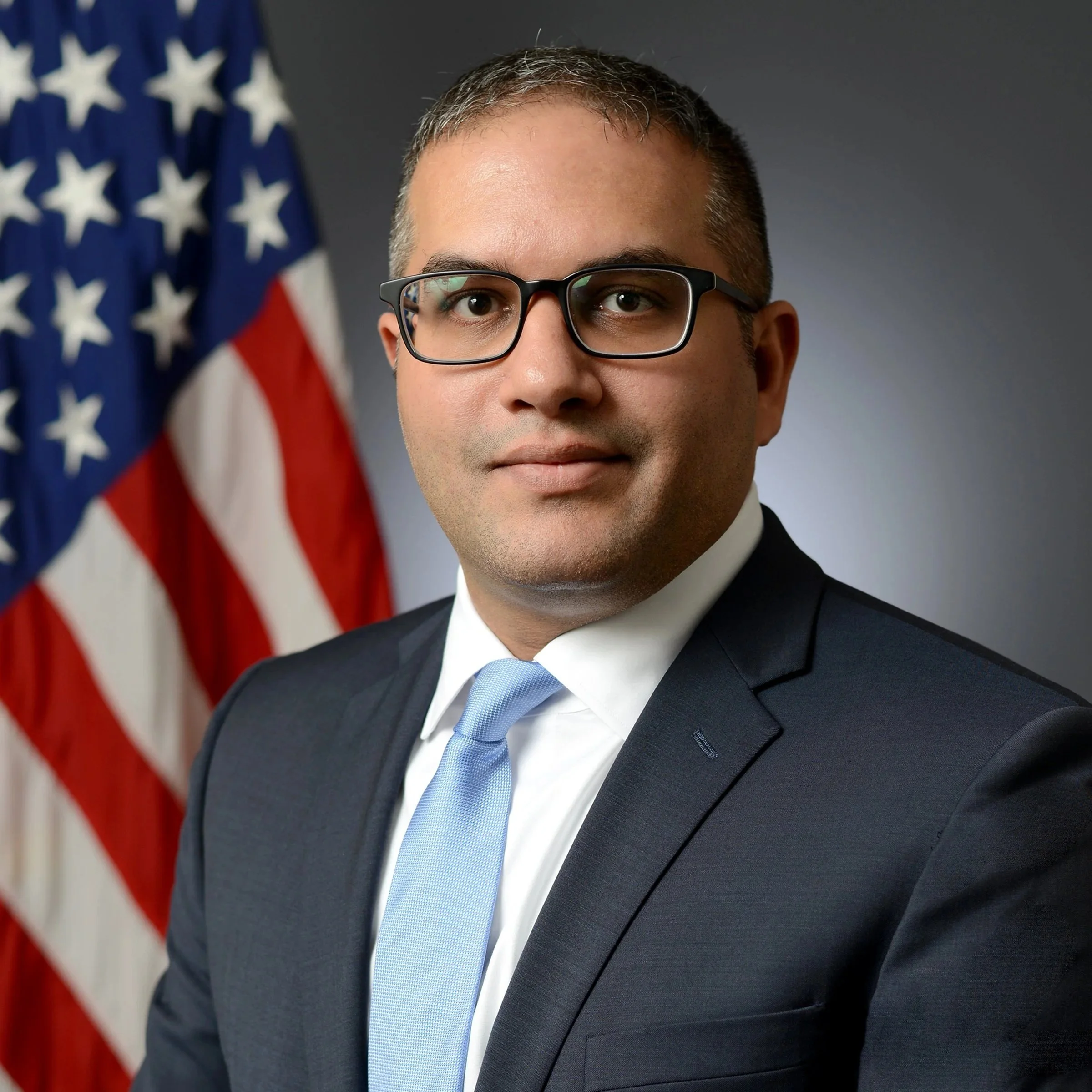
Introductory keynote by Asad Akram, Managing Director and Global Co-Head for Critical Minerals, Materials, and Metals Office of Strategic Capital will discusst the Office of Strategic Capital (OSC) and its role in targeted capital deployment to strengthen critical supply chains and advance national security objectives. Asad will explore how the OSC attracts and scales private capital using its credit authorities to create national security impact. By aligning financial tools with national security priorities, the OSC is helping close gaps in the financing market and enhancing U.S. industrial resilience.
As climate and geopolitical pressures reshape global trade, notably with regards to the supply of critical minerals, this panel discusses pathways to sustainable and resilient supply chains. In particular, there is a strong emphasis on reshoring mining and manufacturing capacity to support decarbonization efforts, in addition to bolstering domestic supply and economic security.
Panelists

Tomás Villalón Jr.
CTO and Co-founder,
Phoenix Tailings
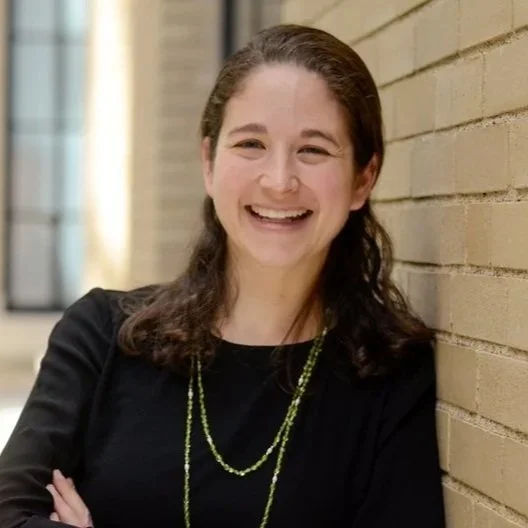
Elsa Olivetti
Professor,
MIT
Moderator

Brent Ridley
Senior Advisor - Impact and Translation, MIT Climate Project
POWERING DATA CENTERS
Present and Future
Monday, February 23rd @ 3:15PM
The race to power AI is reshaping the global energy landscape. How are today’s data centers powered, and what technologies will be needed to meet tomorrow’s unprecedented AI-driven demand? This discussion brings together utility and generation perspectives to examine current energy generation and transmission challenges, the evolving procurement landscape, and the frontier technologies that could define the next decade of digital infrastructure growth.
Panelists

Colleen Wright
VP - Strategy and Growth, Constellation
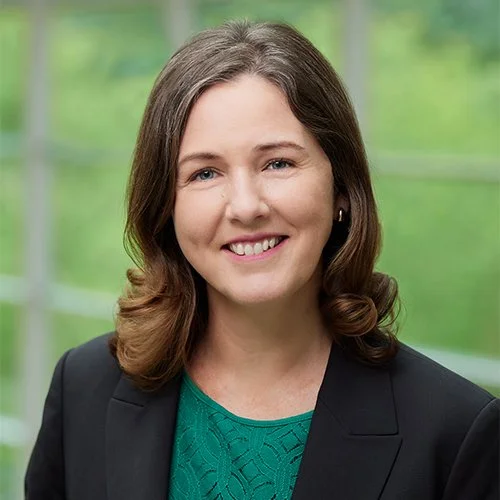
Sara Parsons
Vice President - Development, Avangrid
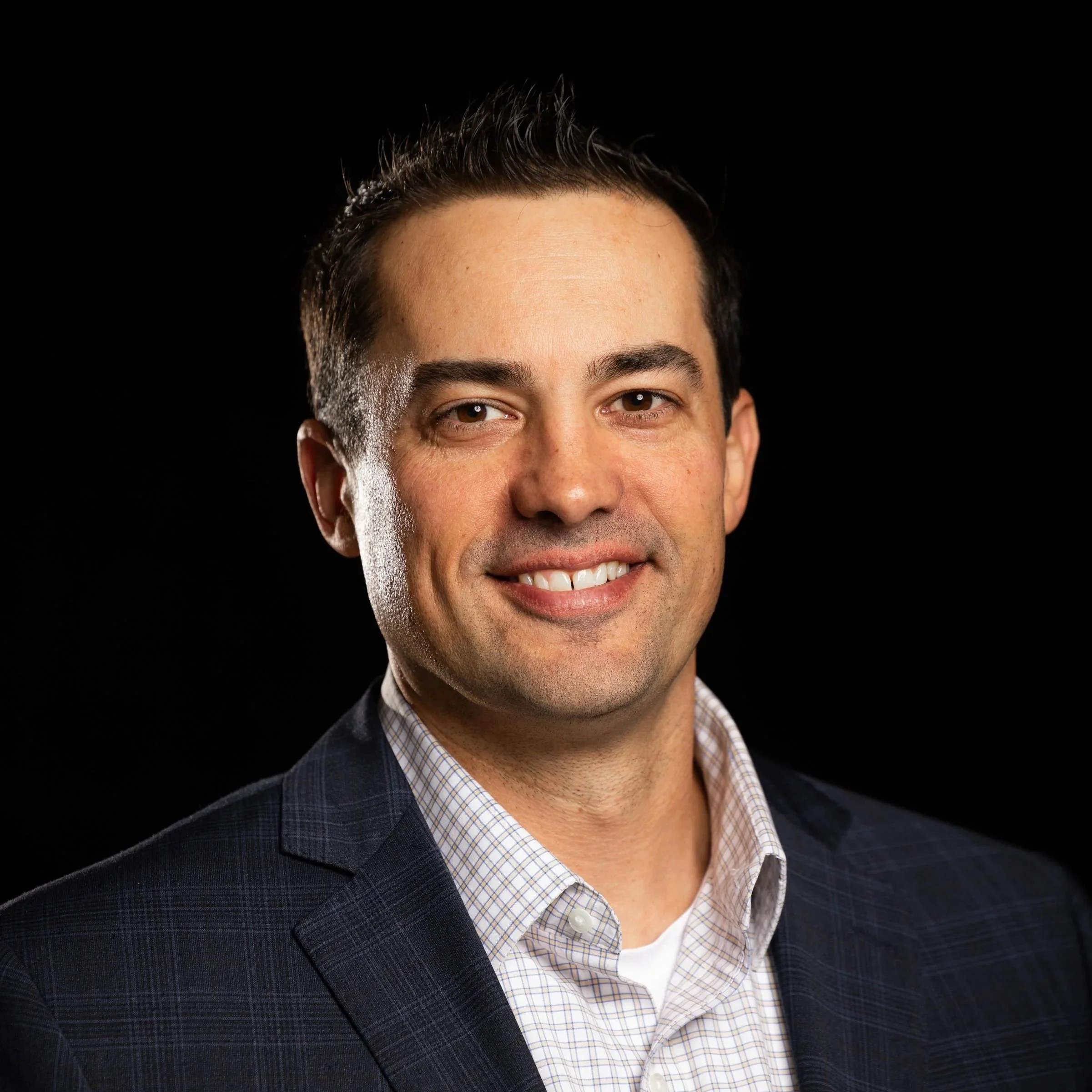
Andrew Schneller
Vice President - Network Strategy and Regulation, National Grid
Moderator

Amy Nordrum
Executive Editor,
MIT Technology Review
FUTURE OF ENERGY MIX
Tuesday, February 24th @ 11:15AM
As energy systems face growing demands for reliability, affordability, and decarbonization, no single technology can carry the transition alone. This panel explores how different energy pathways -- firm clean generation, long-duration storage, and enabling infrastructure -- fit together to build a resilient, scalable energy system. Speakers will discuss how emerging technologies complement one another in practice, the system-level tradeoffs involved, and what it will take to move from promising innovations to a balanced, deployable energy mix capable of meeting future demand.
Panelists
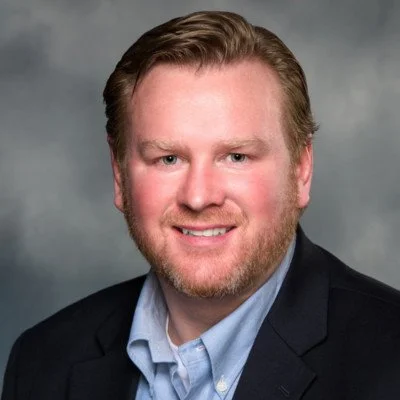
Benjamin Byboth
Director - Business Development & Strategy, Commonwealth Fusion Systems
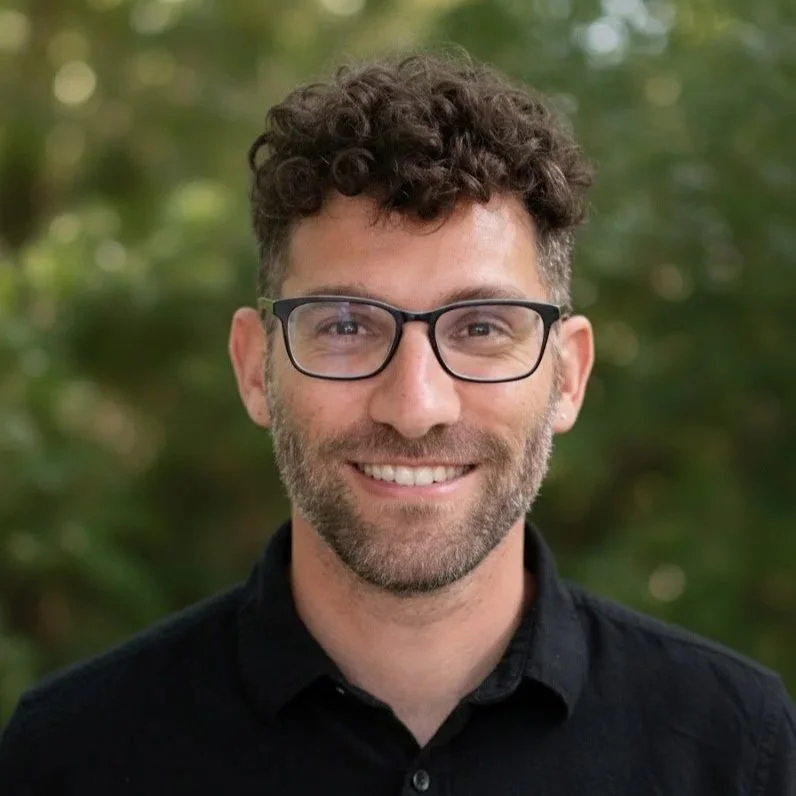
Jason Houck
Policy Director,
Form Energy
Moderator
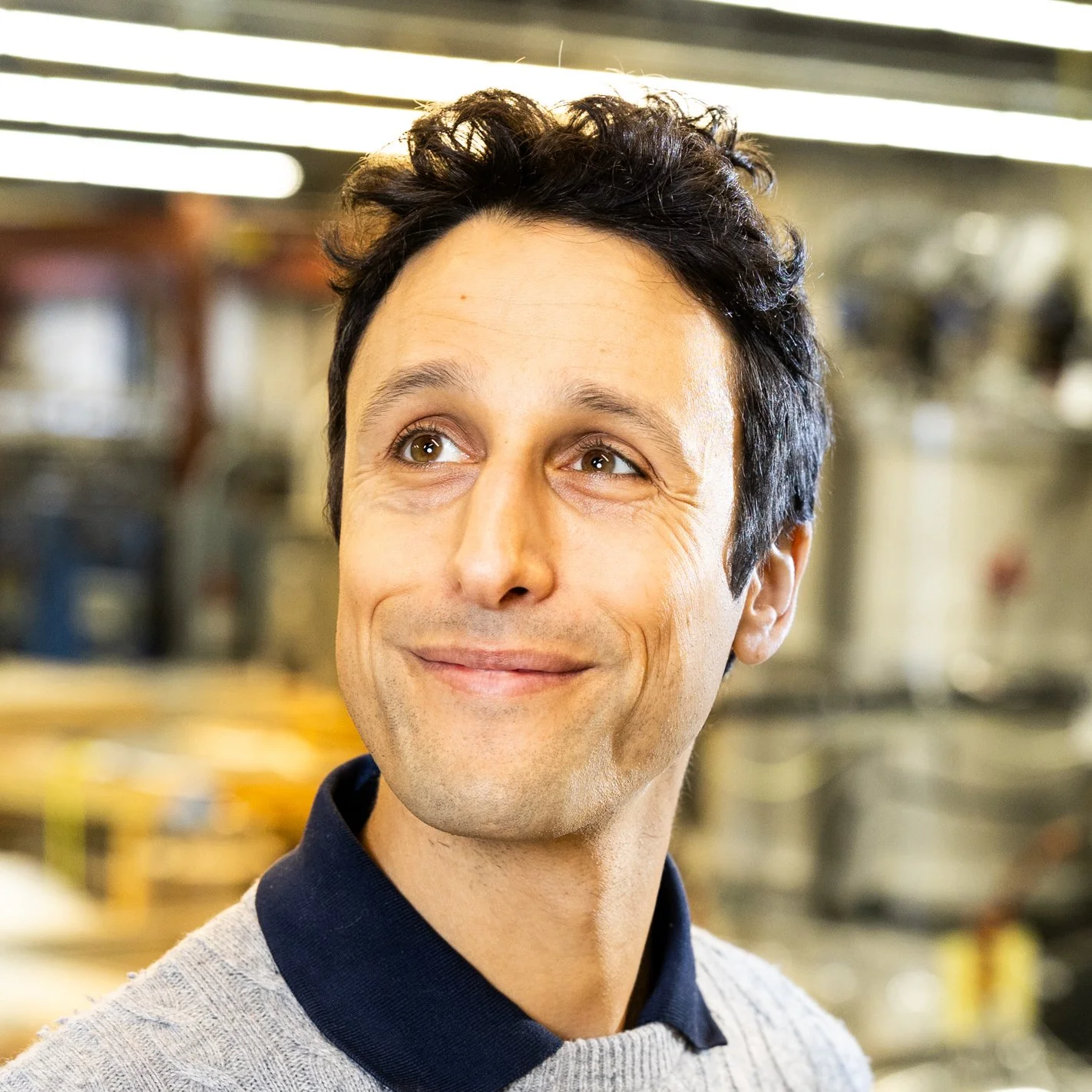
David Cohen-Tanugi
Venture Builder - Clean Energy, MIT
FINANCING AND SCALING CLIMATE TECH
Tuesday, February 24th @ 12:00PM
This panel will bring together experts from across the energy finance landscape, with a particular focus on unconventional financing pathways, state and federal funding, and approaches that enable scaling beyond first of a kind. The discussion will explore what it means to sustainably finance energy projects in today’s challenging political and economic environment, and how to structure project deals so that they not only get a first of a kind asset built, but also meaningfully de-risk financing for future deployments.
Panelists
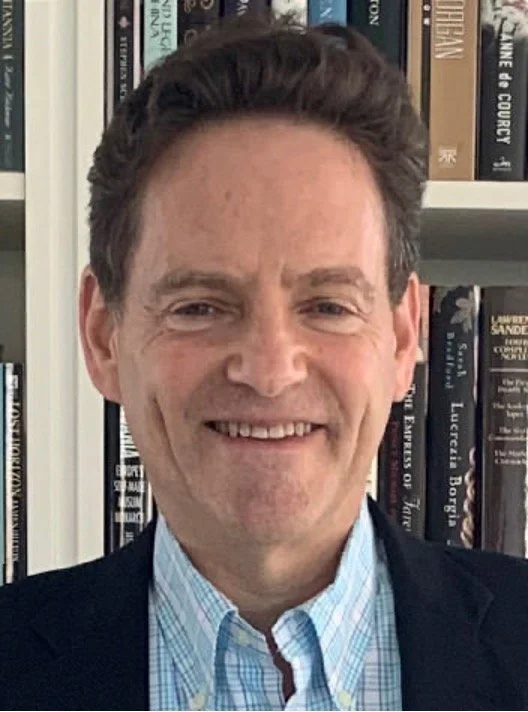
Bill Lese
Managing Partner, Braemar Energy Ventures

Jeff McAulay
CEO,
GreenieRE
Moderator
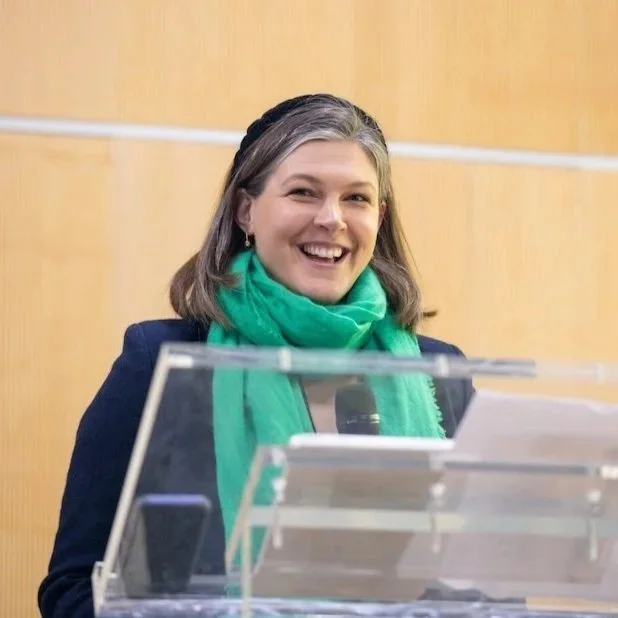
Georgina Campbell Flatter
CEO,
Greentown Labs